About the census
Counting pollinators, together
The Great Southeast Pollinator Census is a six-state citizen-science count run by University of Georgia Extension. Each August, thousands of people watch a blooming plant for fifteen minutes and record the insects that visit. Together, those counts build a long-term picture of pollinator health across the Southeast.
Our goals
Three goals behind every count
Sustainable habitat
We help gardeners choose plants that nourish pollinators and stand up to our summer droughts — without disease or pest pressure.
Entomological literacy
We want counters to go from “oooo, it’s a bug” to “look at the tarsal claw on that bee!”
Useful data
Every count helps us spot trends — like how weather and honey bees shape our native bee populations.
Our history
From one state to six
- 2017
A pilot project launched with 50 gardens, repeated in 2018, to refine the counting criteria and learn what participants needed to take part.
- 2019
The first statewide Great Georgia Pollinator Census. More than 4,000 people took part.
- 2020
Through the pandemic, families counted at home. Training moved to webinars, and agents shared pollinator-dependent recipes.
- 2021
Almost 6,000 participants recorded data across the state.
- 2022
South Carolina joined the count through Clemson University.
- 2023
North Carolina joined through North Carolina A&T and NC State.
- 2024
Florida joined with the University of Florida — and the count became the Great Southeast Pollinator Census.
- 2025
Alabama joined the effort and the census broke its participation record.
- 2026
Six states — Georgia, South Carolina, North Carolina, Florida, Alabama, and Mississippi — count together on August 21 & 22.
Where we count
Six states, one census
Each state is led by its own Extension partners, with Georgia coordinating across the Southeast.
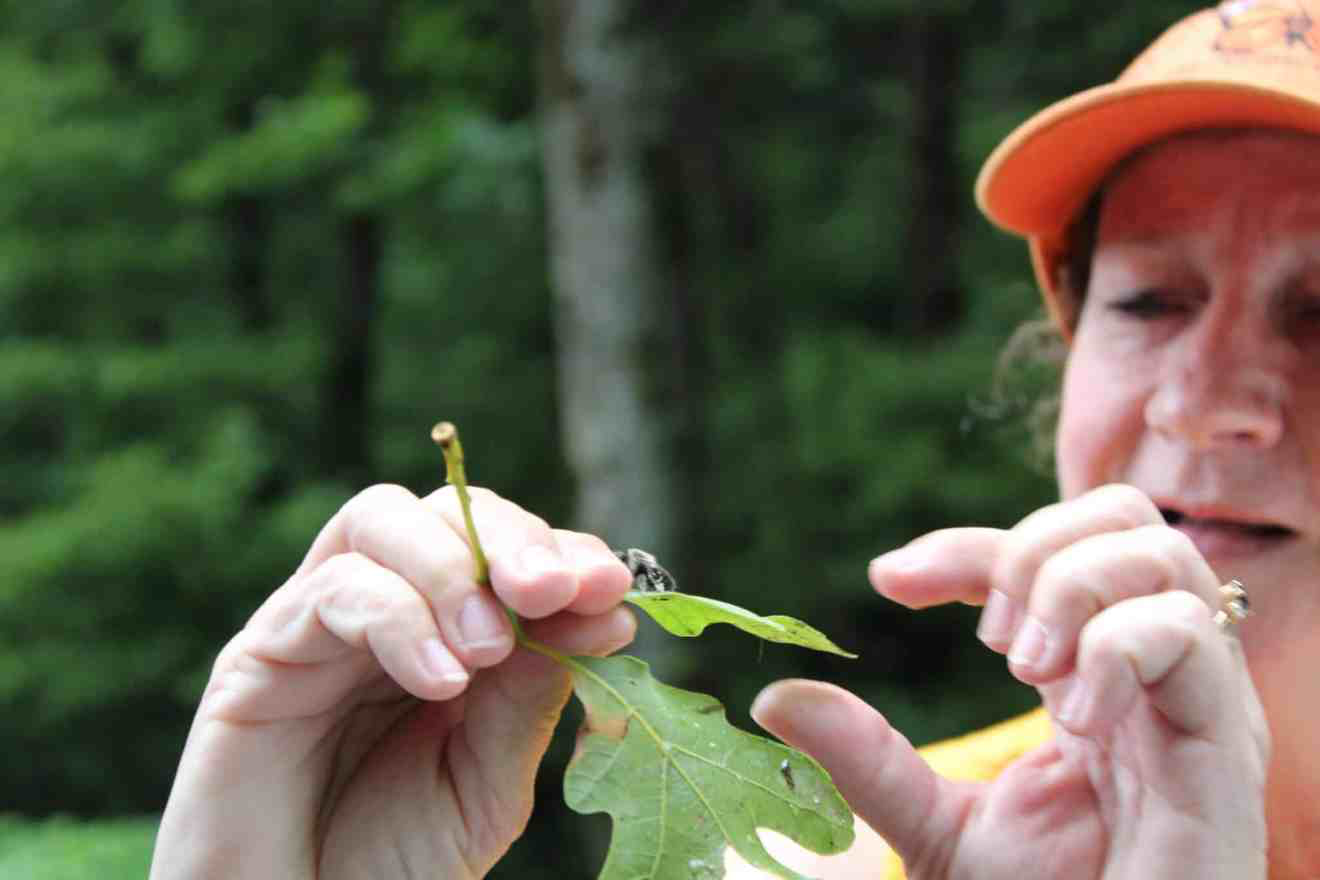
Georgia
Since 2019GAUniversity of Georgia Extension · UGA Center for Urban Agriculture
Becky Griffin · Project Coordinator
beckygri@uga.edu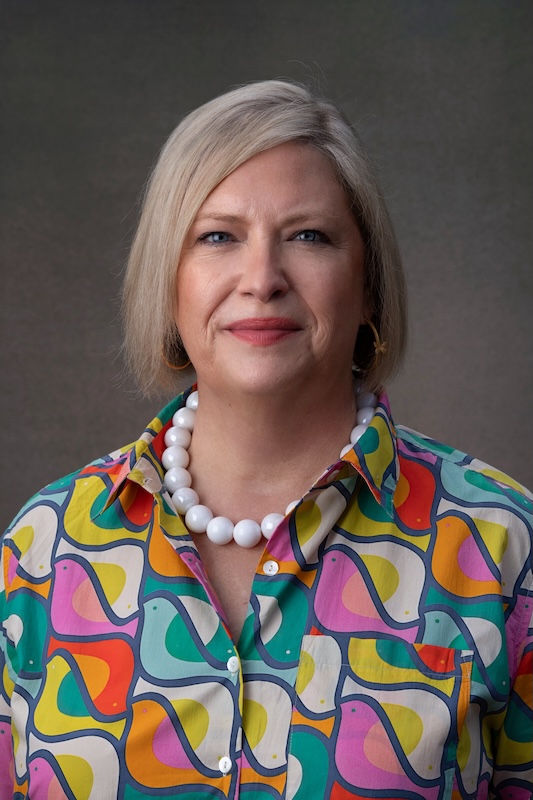
South Carolina
Since 2022SCClemson University Cooperative Extension
Amy Dabbs · State Coordinator
adabbs@clemson.edu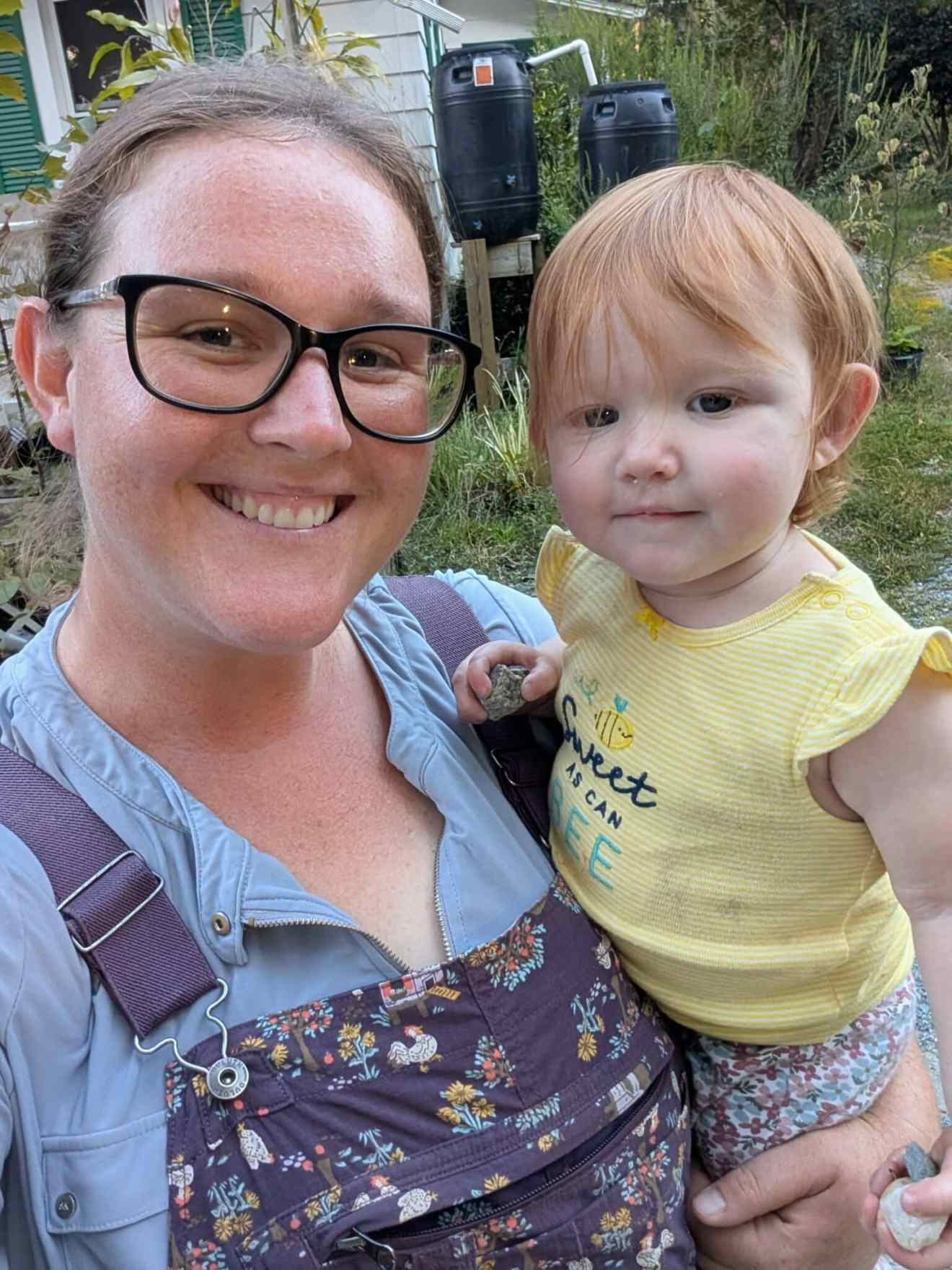
North Carolina
Since 2023NCNC A&T State University · NC Cooperative Extension
Amanda Bratcher · State Coordinator
amwilkin@ncsu.edu
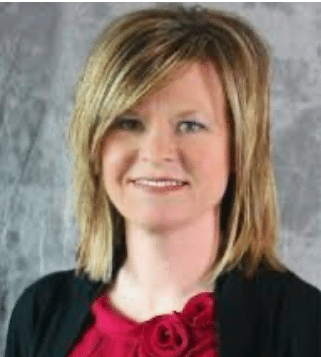
Alabama
Since 2025ALAlabama Cooperative Extension System · Auburn University
Bethany O'Rear · State Coordinator
bethany@auburn.edu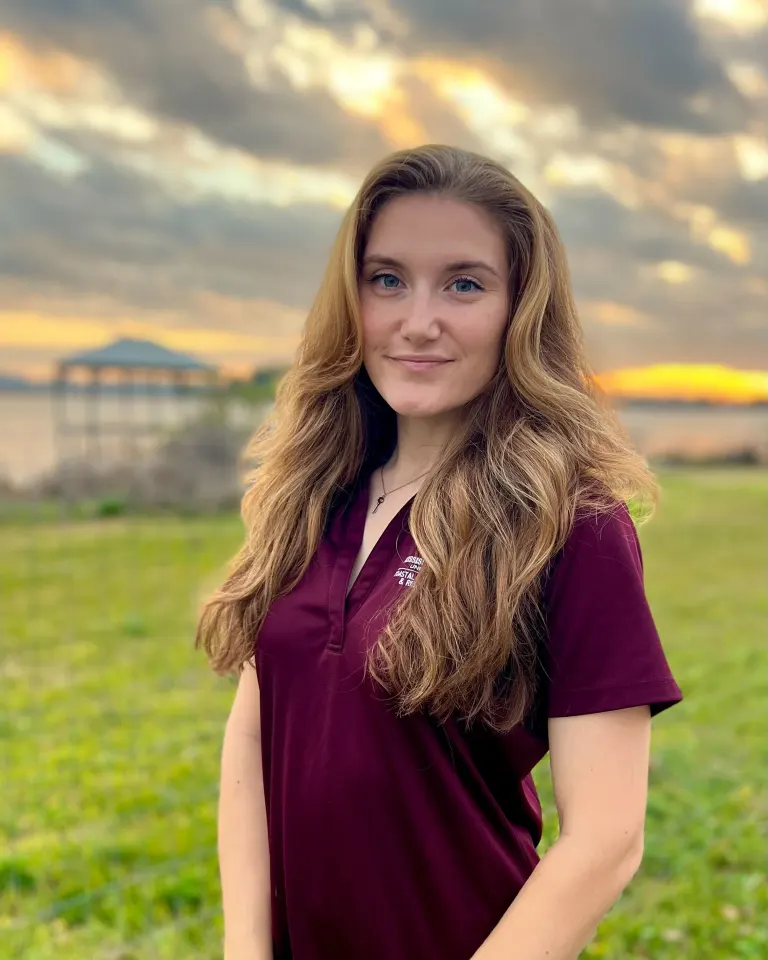
Mississippi
Since 2026MSMississippi State University Extension
Kaylin Bruening · State Coordinator
kb3328@msstate.eduThe coordinator
“The census began with my work in community and school gardens. I’m looking forward to the future growth — every count brings us closer to understanding the pollinators we share these gardens with.”
Becky Griffin
National coordinator · UGA Extension
Published research
The science behind the count
Griffin, B. & Braman, S. K. (2021). School and Community Garden Pollinator Census: a Pilot Project in Georgia. Journal of Entomological Science, 56(3): 287–304.
Griffin, B., LaTora, A. G., Bhattarai, U. & Braman, S. K. (2022). Knowledge Gleaned From the First Great Georgia Pollinator Census. Journal of Entomological Science, 57(1): 39–63.
Griffin, B., Braman, R., Griffin, M. & Sarieh, Y. (2021). The Strategic Use of Multimedia in the Great Georgia Pollinator Census Citizen Science Project. Citizen Science: Theory and Practice, 6(1): 1, 1–13.
In dedicationThis year's Great Southeast Pollinator Census is dedicated to Walter Reeves — a trusted voice, passionate educator, and tireless champion for gardens and pollinators.